Introduction
Transcranial magnetic stimulation (TMS) is a non-invasive brain stimulation therapy cleared by the U.S. Food and Drug Administration (FDA) for adults with major depressive disorder (MDD) who have not responded adequately to antidepressants — often referred to as treatment-resistant depression (TRD). (PMC)
This article explains how TMS works, summarizes what clinical evidence shows about effectiveness, success rates, durability of benefits, safety, and candidacy, and gives patients clear insights to make informed treatment decisions.
What Is TMS Therapy?
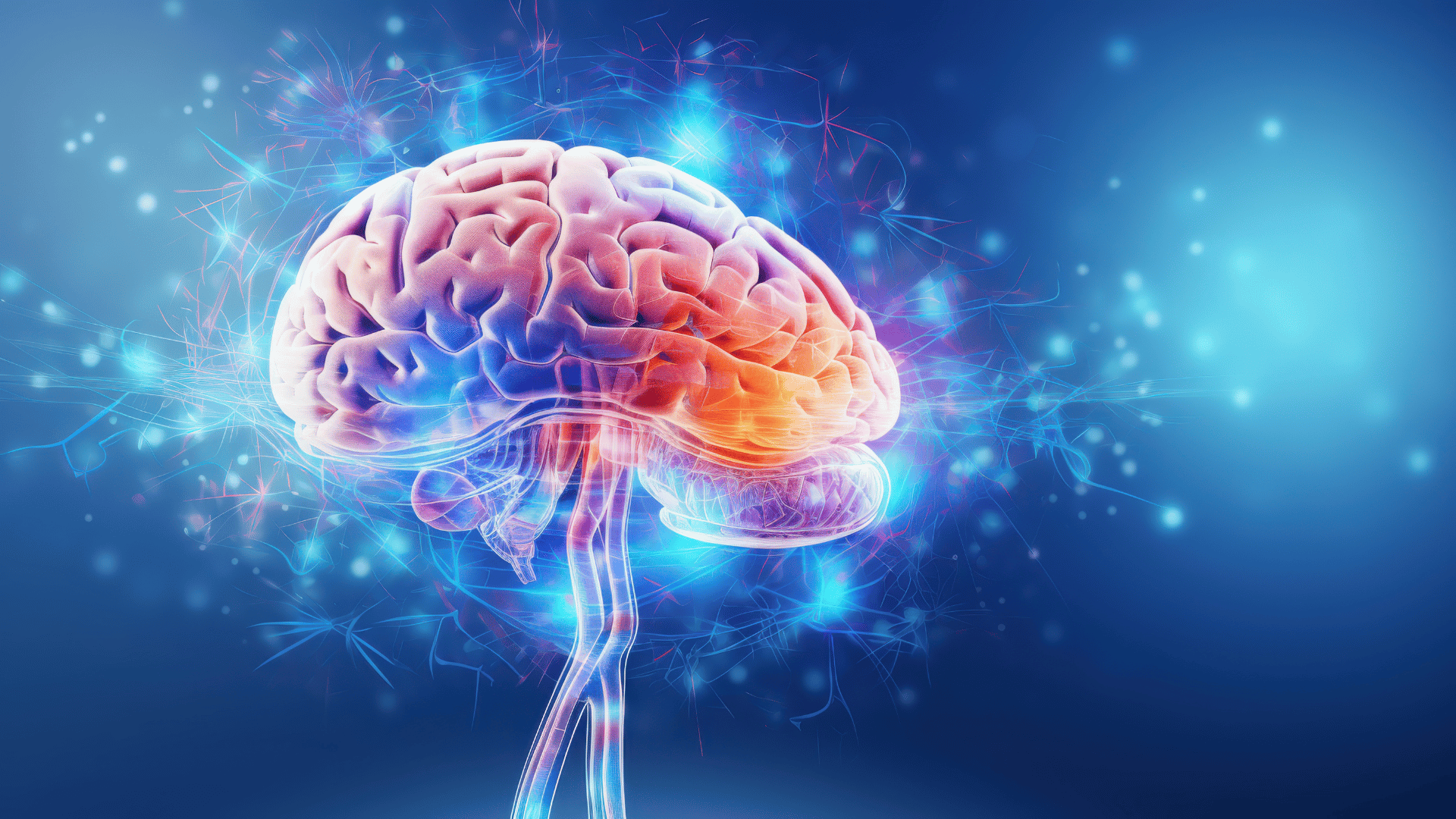
Transcranial magnetic stimulation uses an electromagnetic coil placed against the scalp to deliver repetitive magnetic pulses that activate specific regions of the brain involved in mood regulation — particularly the left dorsolateral prefrontal cortex. (PMC)
Unlike medications, which affect neurotransmitter systems body-wide, TMS targets neural circuits directly without systemic side effects. TMS is most often delivered daily (5 days/week) over 4–6 weeks in an outpatient clinic. (PMC)
How Does TMS Work for Depression?
Targeting Mood Networks
The magnetic pulses generated during TMS induce small electrical currents that stimulate neurons in the prefrontal cortex. Over repeated sessions, TMS is believed to enhance neuroplasticity and strengthen communication within mood-regulating neural circuits, contributing to antidepressant effects. (ScienceDirect)
Patient Experience
Treatment sessions are generally well-tolerated. Most patients remain fully awake and describe sensations like tapping on the scalp; anesthesia is not required. Minor side effects like headache or scalp discomfort may occur but are usually transient. (PMC)
Is TMS Therapy Effective for Depression?
What Research Shows
Multiple meta-analyses and randomized, controlled trials demonstrate that active TMS leads to significantly greater improvements in depressive symptoms than sham (placebo) stimulation. (PMC)
A large meta-analysis of rTMS studies found that:
- Response rates (~≥50% symptom reduction) were about 40–50% with active TMS compared with ~10–25% with sham. (PMC)
- Remission rates (minimal symptom scores) were ~30–36% with active TMS vs ~8–15% with sham. (PMC)
Additional clinical research confirms that TMS’s antidepressant effects are statistically and clinically significant compared with placebo and consistent across diverse patient groups. (Springer)
Treatment-Resistant Depression (TRD)
TMS was originally developed for TRD patients — those who have tried at least two adequate antidepressant trials without sufficient relief. In this population, TMS can offer a meaningful chance of symptom improvement when medications alone have failed. (PMC)
Real-World Outcomes
Real-world clinical studies also report significant symptom improvements in naturalistic treatment settings, supporting the effectiveness observed in controlled trials. (ScienceDirect)
Success Rates: What Do They Really Mean?
Response vs Remission
- Response typically means ≥50% reduction in depression scores.
- Remission means minimal or absent depressive symptoms on validated scales.
In a broad sample of rTMS studies:
- ~40–50% of patients show a clinically meaningful reduction in depressive symptoms. (PMC)
- ~25–36% achieve remission after a full course of treatment. (PMC)
Factors such as treatment adherence, depression severity, and concurrent therapies influence outcomes.
Who Is a Good Candidate for TMS?
TMS is generally recommended for adults with:
- Major depressive disorder that has not responded to at least one or two antidepressants. (PMC)
- No contraindicated metal implants or devices near the head. (PMC)
Clinicians typically evaluate medical history, severity of symptoms, and treatment goals to determine suitability.
How Long Do TMS Results Last?
TMS often has durable benefits:
- Many patients maintain improvement for months after completing the treatment course. (PMC)
- Some individuals may experience a relapse of symptoms over time; booster sessions or maintenance protocols can help sustain relief. (PMC)
Long-term research is ongoing, but current evidence supports TMS’s lasting impact for many patients.
Side Effects & Safety Profile
TMS is generally safe and well-tolerated. Common transient side effects include:
- Headache
- Scalp discomfort
- Mild tingling or tapping sensation
There have been no reports of serious adverse effects like structural brain injury in standard use, and TMS does not interact with medications. (PMC)
Rare risks include occasional seizures, particularly in individuals with a history of epilepsy — but this is very uncommon with current FDA-cleared protocols.
Cost & Insurance Coverage
The cost of a full TMS course typically ranges broadly, depending on location and provider. Many insurance plans, including Medicare and private carriers, cover TMS for TRD with prior authorization, as clinical evidence supports its effectiveness compared with extended medication trials. (Wikipedia) For the criteria plans typically apply and how prior authorization works at our offices, see does insurance cover TMS therapy?
Some health economic research suggests TMS may even be more cost-effective than prolonged pharmacotherapy or electroconvulsive therapy (ECT) in specific scenarios, though individual results vary. (PMC)
TMS vs Other Depression Treatments
Compared with traditional antidepressants, TMS:
- Acts through a different mechanism with less systemic side effects.
- Offers an option for patients not responding to multiple medication trials. (PMC)
Compared with ECT:
- ECT often shows higher remission rates, especially for severe or psychotic depression, but carries added side effects and anesthesia requirements. (Wikipedia)
- TMS has a more favorable side effect profile and no need for sedation.
Frequently Asked Questions
Is TMS therapy FDA-approved for depression?
Yes. TMS — including repetitive TMS (rTMS) protocols — is FDA-cleared for adults with major depressive disorder, especially when antidepressants have not been effective. (Wikipedia)
Does TMS work if medications failed?
Yes. Clinical data show TMS provides meaningful symptom reduction for many patients who did not benefit from antidepressants. (PMC)
What are common side effects?
Most side effects are mild — headache or scalp discomfort — and tend to resolve quickly. Serious adverse effects are rare. (PMC)
How long until I feel results?
Some patients notice improvement within 2–3 weeks, but most benefits occur after completing the full 4–6 week treatment course. (PMC)
Can TMS replace antidepressants long-term?
TMS can be a standalone option for some, but decisions about medication changes should be made with a clinician. (PMC)
Is TMS covered by insurance?
Many insurers cover TMS for treatment-resistant depression with proper documentation and authorization. (Wikipedia)
Conclusion & Call to Action
Clinical research demonstrates that TMS is an effective, safe, and evidence-based treatment for many individuals with depression — particularly those who haven’t found relief with medications. With solid response and remission rates and a favorable safety profile, TMS stands as a strong option in the modern depression treatment landscape.
If you or a loved one are struggling with depression that hasn’t improved with standard treatments, schedule a consultation to see whether TMS might be right for you.