
Introduction
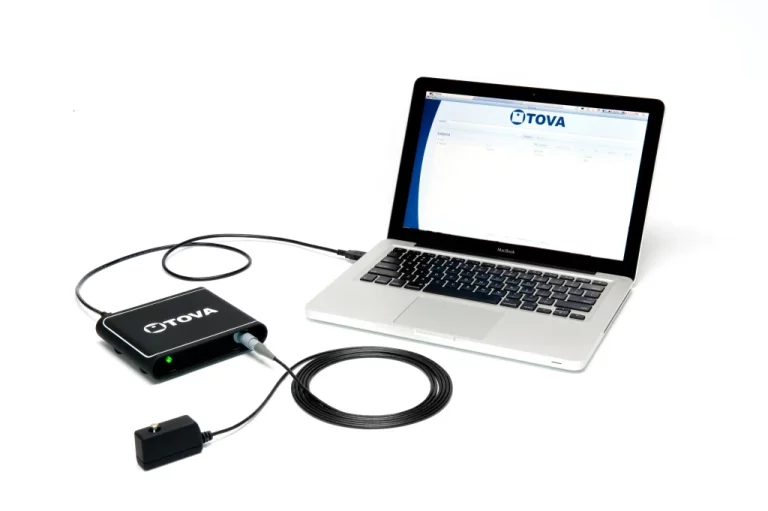
The Test of Variables of Attention (T.O.V.A.) is a widely used computerized assessment designed to measure attention, impulsivity, and response consistency. For individuals undergoing evaluation for ADHD or other attention-related concerns, one of the most common questions is: what do T.O.V.A. test scores mean, and what is considered “normal”?
Understanding T.O.V.A. score ranges can help patients and families better interpret results and see how objective testing fits into a broader clinical evaluation. At Sacramento NeuroPsych Associates, T.O.V.A. testing is used as part of a comprehensive neuropsychological and psychiatric assessment process.
What Is the T.O.V.A. Test Measuring?
The T.O.V.A. is a continuous performance test (CPT) that evaluates how a person responds to visual or auditory stimuli over a sustained period of time. Unlike questionnaires or self-report tools, it provides objective, performance-based data.
Key areas measured include:
- Sustained attention
- Reaction time
- Response consistency
- Impulsivity and inhibitory control
- Vigilance over time
Because the test is non-verbal and does not rely on memory or language, it can be used across a wide range of ages and backgrounds.
Understanding T.O.V.A. Test Score Ranges
T.O.V.A. results are compared against age- and gender-based normative data, allowing clinicians to see how an individual’s performance compares to peers.
Rather than producing a single “pass or fail” score, the test generates multiple metrics that fall within expected ranges or deviate from them.
What Is Considered a “Normal” T.O.V.A. Score?
A normal score range generally indicates:
- Reaction times consistent with age norms
- Low rates of omission errors (missed targets)
- Low rates of commission errors (impulsive responses)
- Stable performance across the duration of the test
Scores within these ranges suggest typical attentional functioning in the structured testing environment.
However, it’s important to note that a normal T.O.V.A. score does not automatically rule out ADHD or other attention difficulties.
Common T.O.V.A. Metrics Explained
Reaction Time
Measures how quickly a person responds to target stimuli. Slower or highly variable reaction times may suggest attentional inconsistency.
Response Time Variability
Assesses how consistent responses are throughout the test. High variability can indicate difficulty sustaining attention.
Omission Errors
Occur when a target is missed. Elevated omission errors are often associated with inattention.
Commission Errors
Occur when a person responds when they should not. Higher rates may reflect impulsivity or reduced inhibitory control.
Performance Over Time
The T.O.V.A. examines whether attention declines as the test progresses, which can be a key indicator of attentional fatigue.
Can Someone Have ADHD with a “Normal” T.O.V.A. Score?
Yes. This is one of the most important points for patients to understand.
T.O.V.A. testing is not diagnostic on its own. Some individuals with ADHD perform well during structured testing, especially when the task is novel or engaging. Others may show impairments that align closely with clinical symptoms.
Because of this, results are always interpreted alongside:
- Clinical interviews
- Developmental and medical history
- Behavioral rating scales
- Academic or occupational functioning
At Sacramento NeuroPsych Associates, T.O.V.A. results are used as one data point within a comprehensive evaluation.
Why Score Interpretation Requires Clinical Expertise
Raw scores alone do not tell the full story. Factors such as anxiety, sleep quality, medication use, motivation, and testing environment can influence performance.
A trained clinician evaluates:
- Which metrics fall outside expected ranges
- Patterns across different test segments
- How results align with reported symptoms and history
This ensures that conclusions are accurate, nuanced, and clinically meaningful.
Who Benefits Most from Reviewing T.O.V.A. Score Ranges?
Understanding score interpretation can be especially helpful for:
- Adults seeking clarity during ADHD evaluations
- Parents reviewing test results for children or teens
- Individuals comparing objective testing with daily functioning
- Patients considering next steps in treatment or accommodations
What to Do After Receiving T.O.V.A. Results
Following testing, clinicians typically review results in detail and discuss:
- Whether scores suggest attentional weaknesses
- How results fit with other assessment findings
- Recommendations for treatment, accommodations, or further evaluation
Next steps may include behavioral strategies, therapy, medication management, academic or workplace accommodations, or additional testing.
Frequently Asked Questions
What is a good T.O.V.A. test score?
A good score generally falls within age-based normative ranges across attention, reaction time, and consistency metrics.
Does T.O.V.A. diagnose ADHD by itself?
No. T.O.V.A. testing supports diagnosis but must be interpreted alongside clinical evaluation.
Can anxiety affect T.O.V.A. results?
Yes. Anxiety, fatigue, and other factors can influence performance and are considered during interpretation.
Are scores compared to children or adults separately?
Yes. Scores are compared to age-appropriate norms, and visual and auditory versions have different reference ranges.
Learn More About T.O.V.A. Testing at Sacramento NeuroPsych Associates
If you’re considering an ADHD or attention evaluation and want to understand how objective testing fits into the process, our team can help.